
Exercise Tech: Devices, Apps, and Smart Ways to Use Them
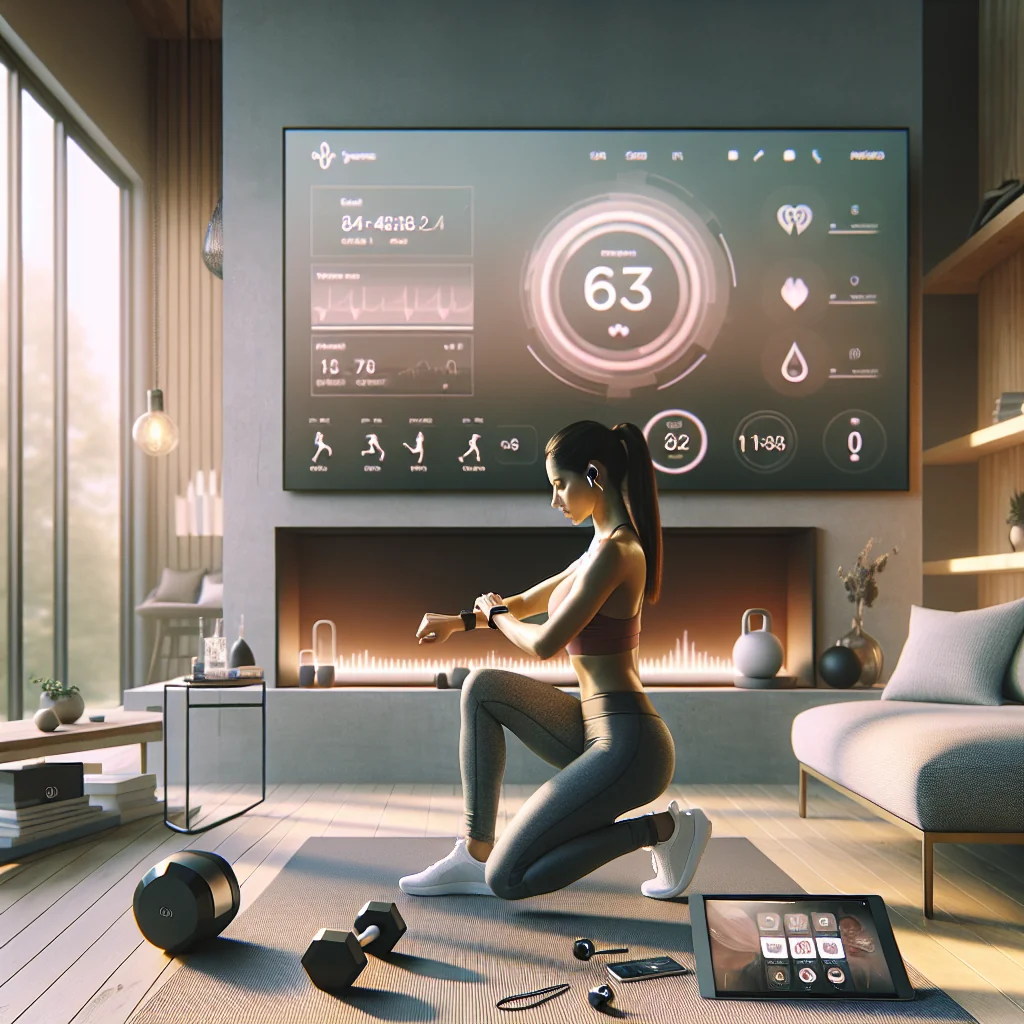
Exercise tech has changed how people plan, track, and enjoy workouts. From smartwatches to AI coaching apps, exercise technology now sits at the center of many fitness routines. This guide explains the main types of exercise tech, how they work, and how to choose tools that match your goals instead of distracting you.
What exercise tech actually means today
Exercise tech is any technology that supports physical activity, training, or recovery. The term covers hardware, like wearables and smart equipment, and software, like tracking apps and virtual classes.
Key roles exercise tech can play
Good exercise technology does three main things. It measures what your body does, gives feedback or coaching, and helps you stay consistent. The most useful tools feel simple to use and fit into your daily life.
Core types of exercise tech you will see everywhere
Most exercise tech falls into a few clear groups. Understanding these groups makes it easier to spot what you actually need, instead of buying the latest gadget on impulse.
Main categories of exercise technology
Below are the most common types of tools you will see in stores and apps.
- Wearables and smartwatches: Track steps, heart rate, sleep, and workouts on your wrist.
- Fitness and health apps: Log workouts, guide routines, and connect you with programs or communities.
- Connected cardio machines: Smart bikes, treadmills, and rowers with screens and live or on-demand classes.
- Strength and resistance systems: Smart home gyms, connected weights, and form-tracking devices.
- Recovery and wellness tech: Massage guns, compression boots, sleep trackers, and guided breathing tools.
- Motion and form trackers: Cameras, sensors, or wearables that analyze technique and posture.
Most people use a mix of these, often starting with a basic wearable and a free app. The more advanced options make sense once you have clear goals and a stable exercise habit.
Wearables: the entry point to exercise tech
Wearables are where many people start with exercise tech. A simple fitness band or smartwatch can track steps, heart rate, and sleep without much effort from you.
Making sense of wearable data
Basic devices focus on movement and daily activity. More advanced models add features like GPS, stress tracking, heart rate variability, and training readiness scores. These features help you see patterns in your health, not just single workouts.
The key is to use the data in a simple way. For example, aim to increase weekly active minutes, watch resting heart rate over time, or use sleep data to decide when to push hard or rest.
Fitness apps: from simple logs to AI coaching
Fitness apps sit at the center of modern exercise tech. Many apps started as simple workout logs and now offer full training plans, video classes, and AI-guided sessions.
Choosing the right fitness app style
Tracking apps let you record runs, strength sessions, or classes and then review progress. Coaching apps build plans around your goals, such as running a 5K, building muscle, or improving flexibility. Some apps connect to wearables and adjust sessions based on your recovery and performance.
Choose apps that are easy to use on a busy day. If logging a workout takes longer than the warm-up, you will stop using it. Look for clear instructions, quick start options, and simple progress views.
Smart home gyms and connected equipment
Smart bikes, treadmills, mirrors, and cable machines bring studio-style training into your home. These tools blend hardware, screens, and software to guide workouts and track performance in real time.
What to check before you invest
Cardio machines often include live group classes, scenic routes, and performance metrics like power, cadence, and pace. Smart strength systems can count reps, measure range of motion, and suggest weights. Some use digital resistance instead of plates or dumbbells.
Before investing, check three things: space, long-term cost, and content quality. Subscription fees and limited class styles can matter more than the hardware itself over time.
Recovery-focused exercise tech
Recovery tech has grown fast as people see that progress depends on rest and repair. These tools aim to reduce soreness, improve sleep, and help your body handle higher training loads.
Tools that support rest and repair
Common recovery technologies include massage guns, foam rollers with vibration, compression boots, and light therapy devices. Many wearables now include sleep stages and recovery scores, based on factors like heart rate and movement at night.
Use recovery tech to support basics, not replace them. Quality sleep, enough protein, and smart training plans still matter more than any gadget.
How to choose exercise tech that actually helps you
With so many tools available, a simple decision process helps. Focus less on features and more on the problem you want to solve.
Step-by-step process for picking your first device
Use the steps below to narrow your choices and avoid clutter.
- Define one clear goal, such as moving more, training for a race, or sleeping better.
- Write down your biggest struggle: starting, staying consistent, training smart, or recovering well.
- Match that struggle with one main tech type, like a wearable, app, or smart machine.
- Set a budget that covers both the device and any monthly subscription fees.
- Test the app or device interface, and reject options that feel slow or confusing.
- Commit to using the tool for at least four weeks before judging results.
Also consider your personality. Some people love detailed numbers, while others feel stressed by constant tracking. Choose tech that motivates you, not tech that makes you anxious.
Matching exercise tech to common fitness goals
The right mix of exercise tech depends on what you want from your training. Use this section as a quick guide to align tools with goals, rather than chasing every trend.
Which exercise tech fits your main goal?
Here is a simple comparison of popular goals and the most useful types of tech for each.
Exercise tech choices by primary fitness goal
| Goal | Most useful tech types | Why they help |
|---|---|---|
| General health and daily activity | Basic wearable, step counter app | Encourages more movement and tracks simple habits. |
| Weight loss or body recomposition | Wearable, food tracking app, workout app | Helps balance energy intake and output over time. |
| Strength and muscle gain | Strength training app, smart home gym or log tool | Tracks volume, progression, and technique cues. |
| Endurance sports (run, cycle, swim) | GPS watch, training app, smart trainer or treadmill | Guides pacing, routes, and structured intervals. |
| Injury prevention and mobility | Form tracking app, mobility program, recovery tools | Improves technique and supports joint health. |
| Stress relief and better sleep | Wearable with sleep tracking, breathing or meditation app | Builds calming routines and tracks sleep patterns. |
The table gives you a starting point, not a strict rule. Many people have more than one goal, so choose the tech that supports the goal you care about most right now.
Simple ways to use exercise tech without burning out
Exercise tech can help or overwhelm. A few simple habits keep tech in the helpful zone. Think of your devices as quiet assistants, not constant bosses.
Habits that keep tech in its proper place
First, limit the number of metrics you watch each week. For example, track only weekly active minutes and sleep duration. Once those habits feel stable, add more detail if you enjoy it.
Second, set clear off times. Leave your watch on the charger during some walks, or end tracking after a set hour in the evening. Your body still benefits from movement, even if the app does not record it.
Privacy, data, and long-term use of exercise tech
Exercise tech collects a lot of personal data. That data can improve coaching, but it also raises privacy questions. Before you commit to a platform, check who owns your data and how long it is stored.
Questions to ask before sharing your data
Read the privacy section in simple terms: can the company share your data with partners, and can you delete your account and data fully. Also think about what happens if the company closes or changes direction.
Long-term, choose brands and apps that feel stable and clear about data use. Changing systems every few months can fragment your history and make progress harder to see.
Future trends in exercise tech to watch
Exercise technology is moving toward more personalization and less friction. Devices are getting better at learning your patterns and suggesting small, timely actions instead of long reports.
How exercise tech may evolve in daily life
Expect more AI coaching that adapts sessions based on your recent sleep, stress, and performance. Also expect more simple sensors built into everyday objects, like clothing or shoes, so you track less manually.
Even as exercise tech grows more advanced, the basics stay the same. The best tools help you move more, sleep better, and train with purpose, without taking over your life.